Rapid urbanization and changing lifestyle priorities have led to a fundamental shift in how we choose residential locations. Homebuyers are looking beyond isolated high-rise towers to seek self-contained ecosystems. This demand has accelerated the development of premium integrated townships.
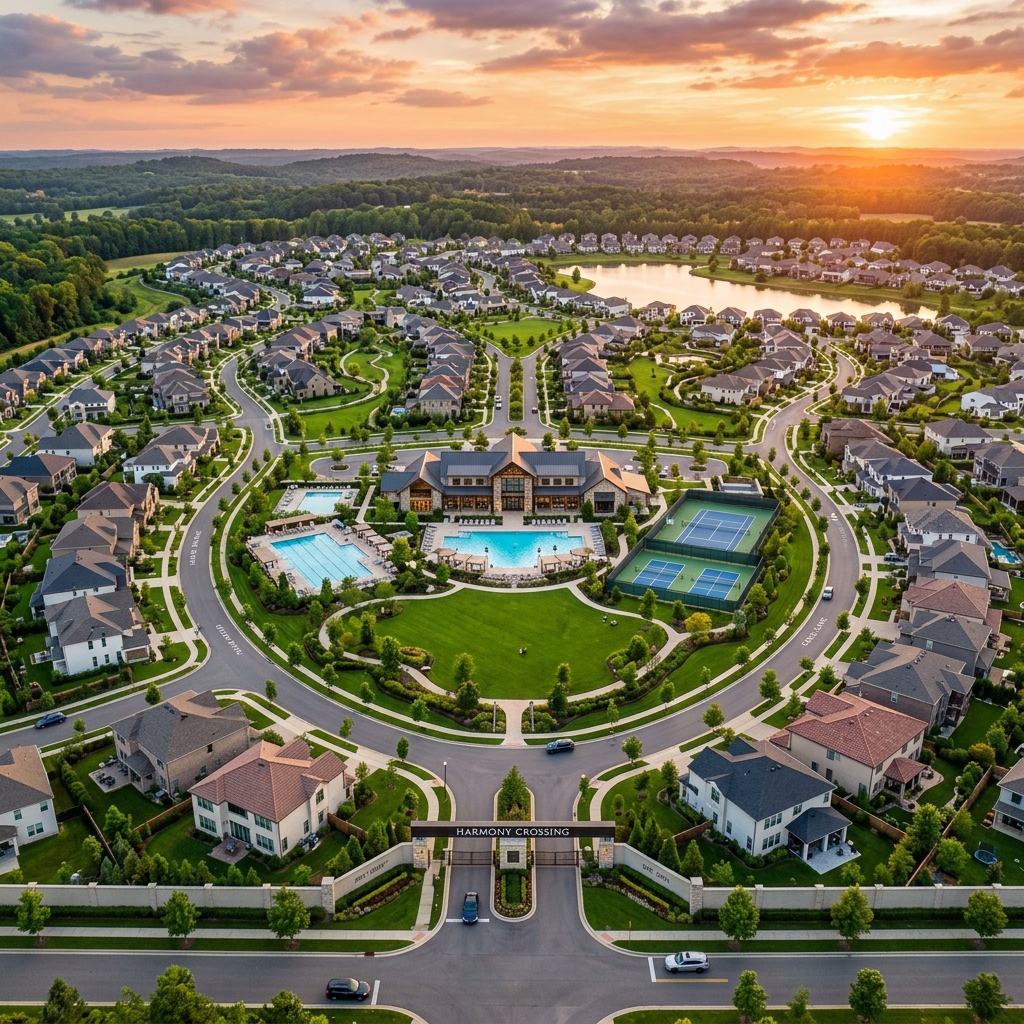
An integrated township is not just a collection of buildings; it is a meticulously planned mini-city that hosts offices, schools, grocery centers, sports zones, healthcare, and leisure centers inside its boundary gates. Let's explore why this layout is quickly becoming the gold standard of modern comfort.
"Integrated townships solve the most exhausting challenges of modern city life—commute stress, safety concerns, and lack of community—by placing everything within a 10-minute walk."
In a typical metro city, a resident might spend two to three hours daily navigating heavy traffic. In an integrated township, your children's school, your fitness club, premium organic grocery markets, and diagnostic centers are just minutes away. This saved travel time immediately converts into family time and wellness.
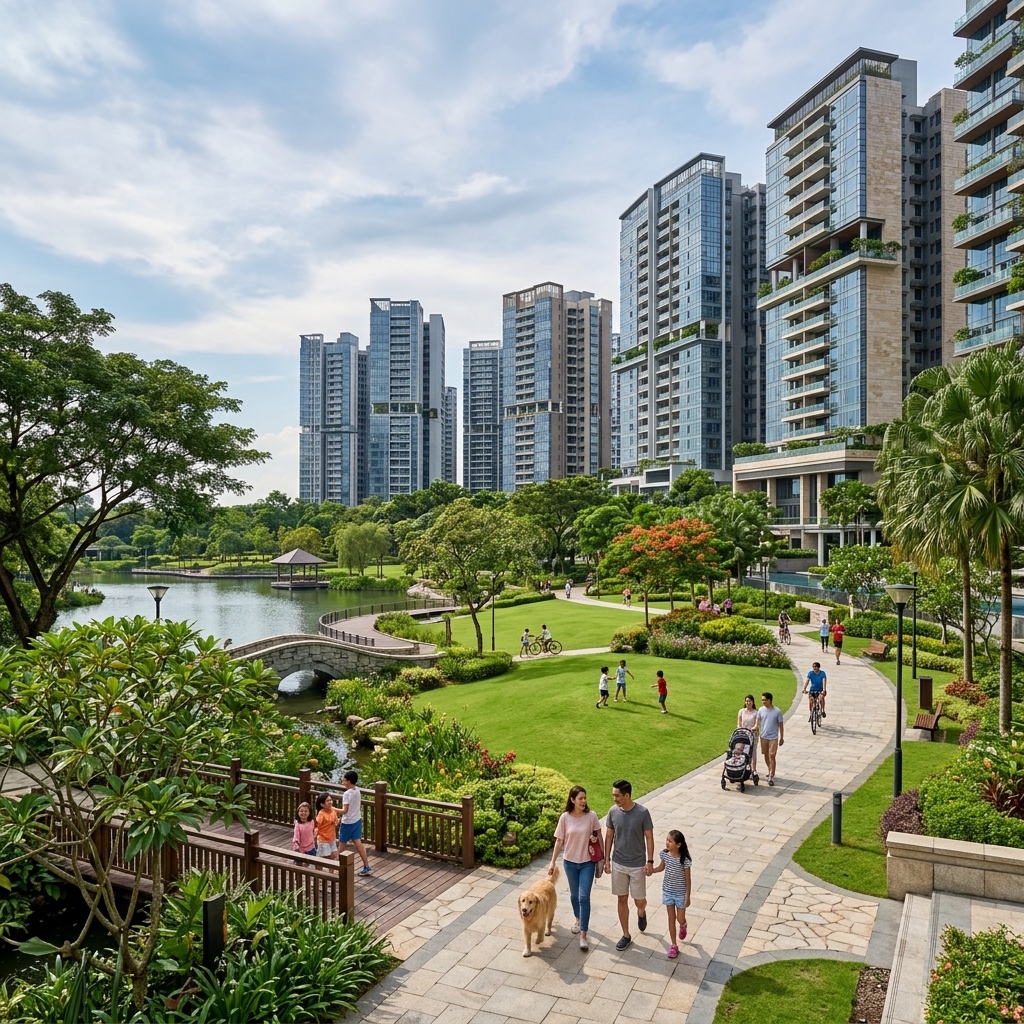
Integrated townships implement advanced gated security, including perimeter-monitoring thermal cameras, RFID vehicle entries, and round-the-clock trained guards. Furthermore, they are planned with dedicated pedestrian walking zones, bicycle paths, and slow-speed vehicular lanes, creating a safe, stress-free zone for seniors and children.
Modern premium townships are engineered for sustainable living. They feature centralized sewage treatment plants, localized solar-energy grids for common areas, integrated rainwater harvesting, and centralized waste management. Sprawling central parks and green buffer zones significantly improve local air quality and microclimates.