

Purchasing your first property is a momentous lifetime milestone. However, the excitement of design styles, premium amenities, and locations can easily overshadow the critical legal verifications required. In real estate, a single missed clause or unverified document can result in multi-year litigation or financial losses.
To ensure a completely smooth and secure transaction, buyers must conduct thorough due diligence. In this legal masterclass, we break down the non-negotiable documents and verifications you must perform before signing any sale agreement.
"Verification is cheaper than litigation. Ensuring your developer is RERA registered and has a clear Title Deed is the bedrock of secure property ownership."
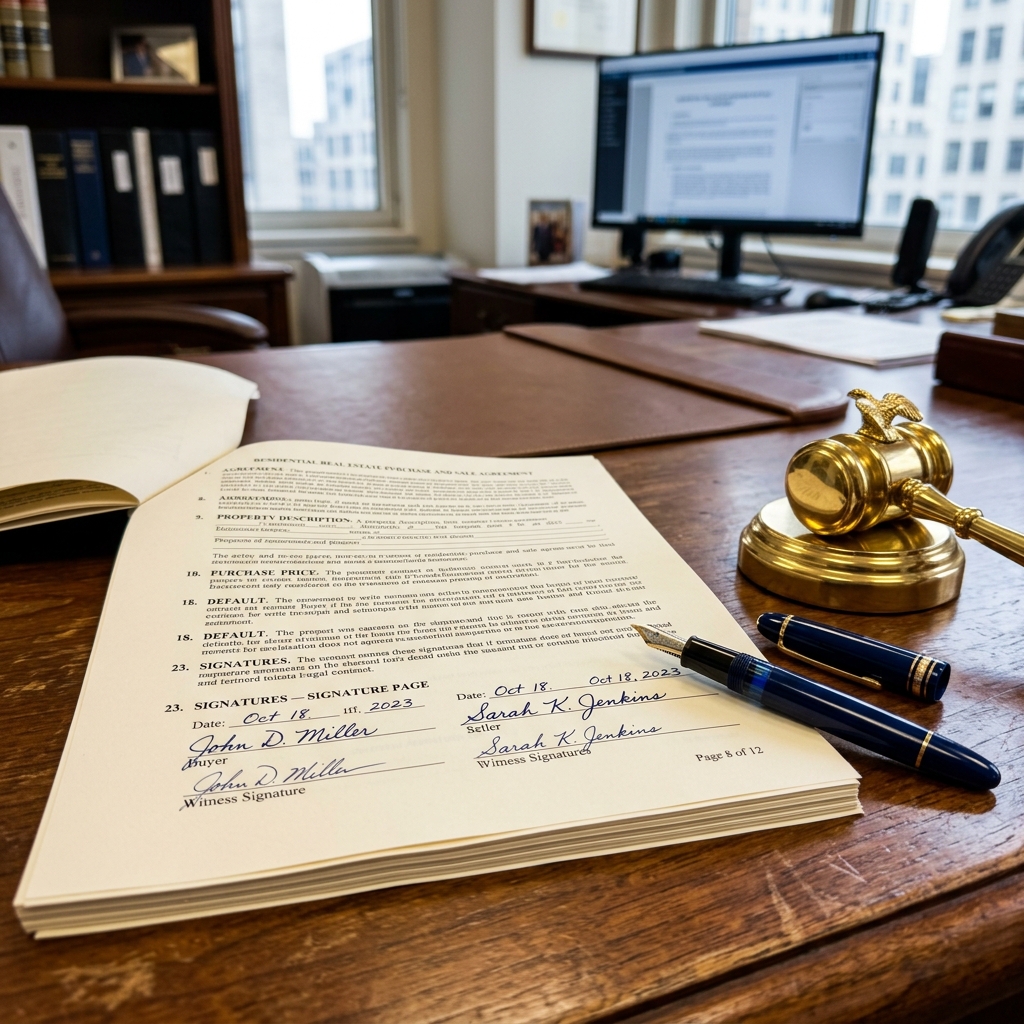
The Title Deed is the most important legal document, proving the seller's actual ownership of the property. A buyer must hire a registered property lawyer to conduct a Title Search at the local registrar's office. This search traces the ownership history of the property for the past 30 years to verify that the title is clear, marketable, and free from disputes.
Under the RERA Act, all commercial and residential projects where the land area exceeds 500 sq meters or contains more than 8 apartments must be registered with their state's RERA portal. Homebuyers should verify the developer's RERA registration number online to check approved building layout designs, construction timelines, and litigation history.
An Encumbrance Certificate (EC) verifies that the property is free from any outstanding monetary liabilities or unpaid bank loans. It shows all registered transactions that have occurred on the land. Lastly, for ready-to-move-in properties, ensure the builder has obtained the Occupancy Certificate (OC) from local civic bodies, which certifies that the building was constructed in compliance with all regulations.